50 Soft Foods to Eat After Tooth Extraction (Safe, Easy, and Healing-Friendly)

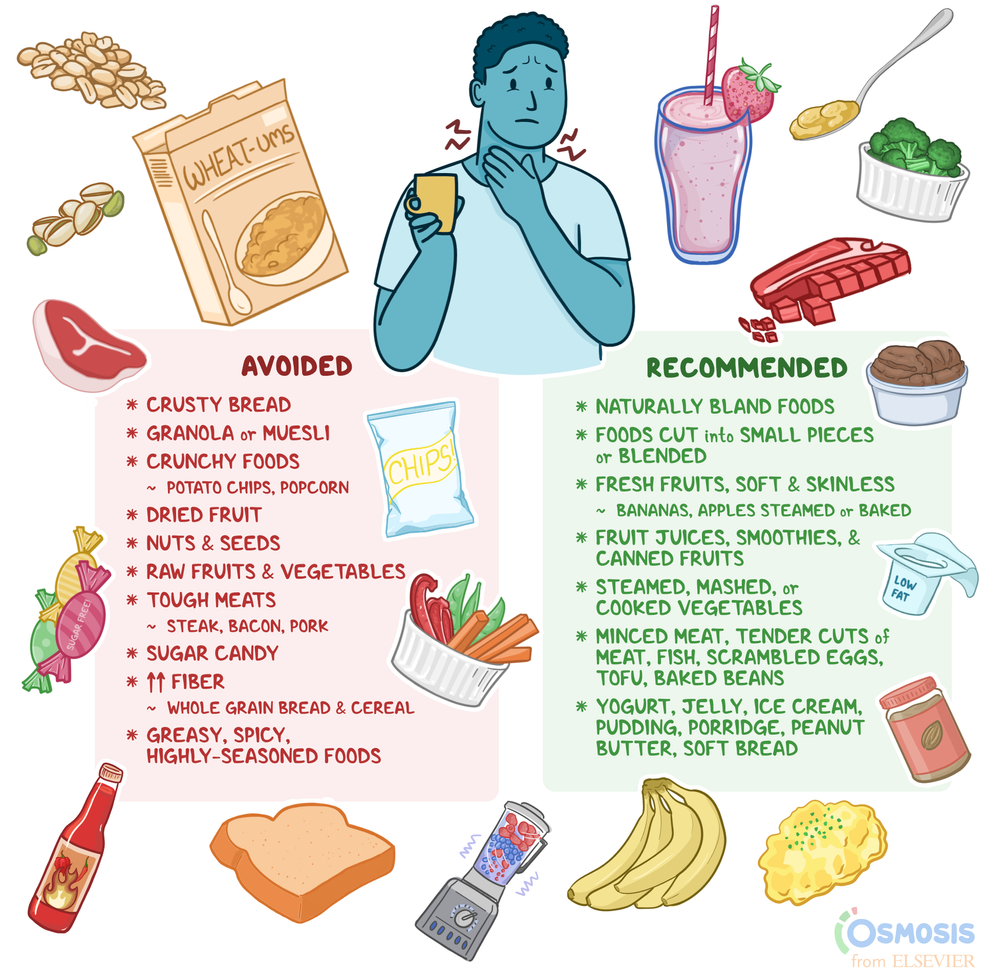
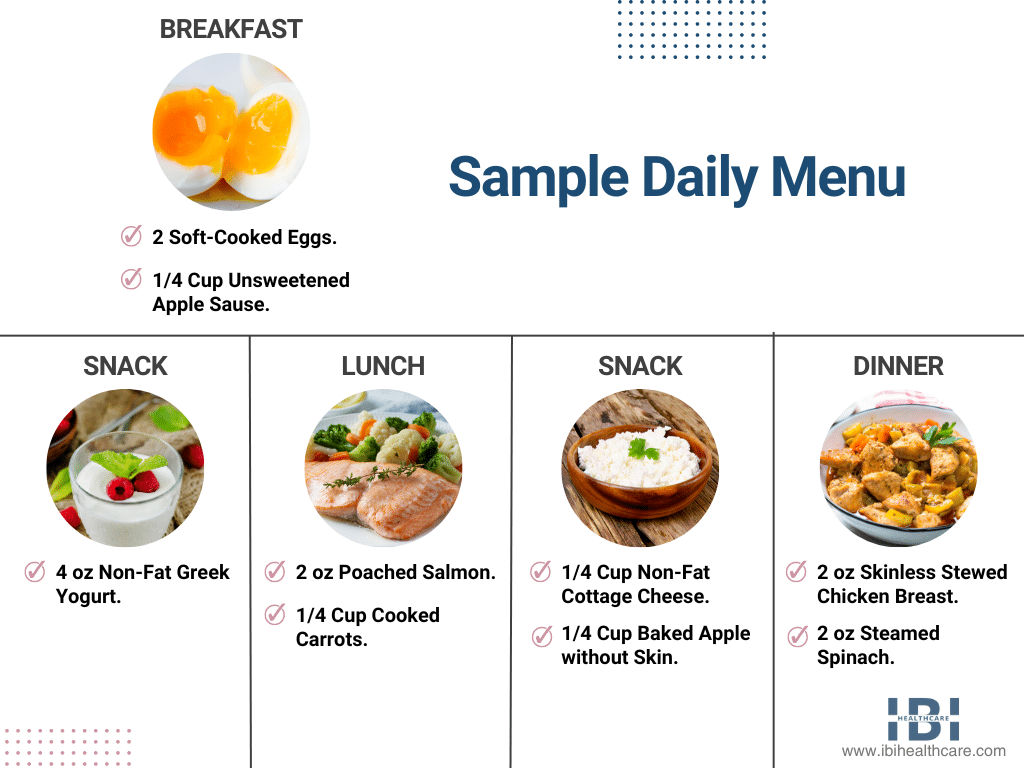
Recovering from a tooth extraction—whether it’s a simple removal or a wisdom tooth surgery—requires special care, especially when it comes to food. Eating the wrong things too soon can cause pain, delay healing, or even lead to complications like dry socket. That’s why choosing the right soft foods to eat after tooth extraction is essential for comfort, nutrition, and proper recovery.
This guide provides 50 safe, soft foods you can eat after a tooth extraction, along with tips on timing, texture, temperature, and healing-friendly nutrition. Whether you’re preparing for surgery or already recovering, this list will help you eat confidently without risking your healing process.
Why Soft Foods Matter After Tooth Extraction
After a tooth extraction, your mouth needs time to heal. The extraction site forms a blood clot that protects the underlying bone and nerves. Hard, crunchy, sticky, or chewy foods can dislodge that clot, increasing pain and slowing recovery.
Soft foods are important because they:
- Require minimal chewing
- Reduce jaw strain
- Lower the risk of irritation
- Are easier to swallow
- Help maintain nutrition while healing
For the first few days, texture matters just as much as taste.
General Eating Guidelines After Tooth Extraction
Before diving into the food list, keep these recovery rules in mind:
- Avoid chewing on the extraction side
- Eat lukewarm or cool foods (not hot)
- Avoid straws (suction can cause dry socket)
- Skip spicy, acidic, crunchy, or sticky foods
- Stay hydrated, but sip gently
Always follow your dentist’s specific instructions if they differ.
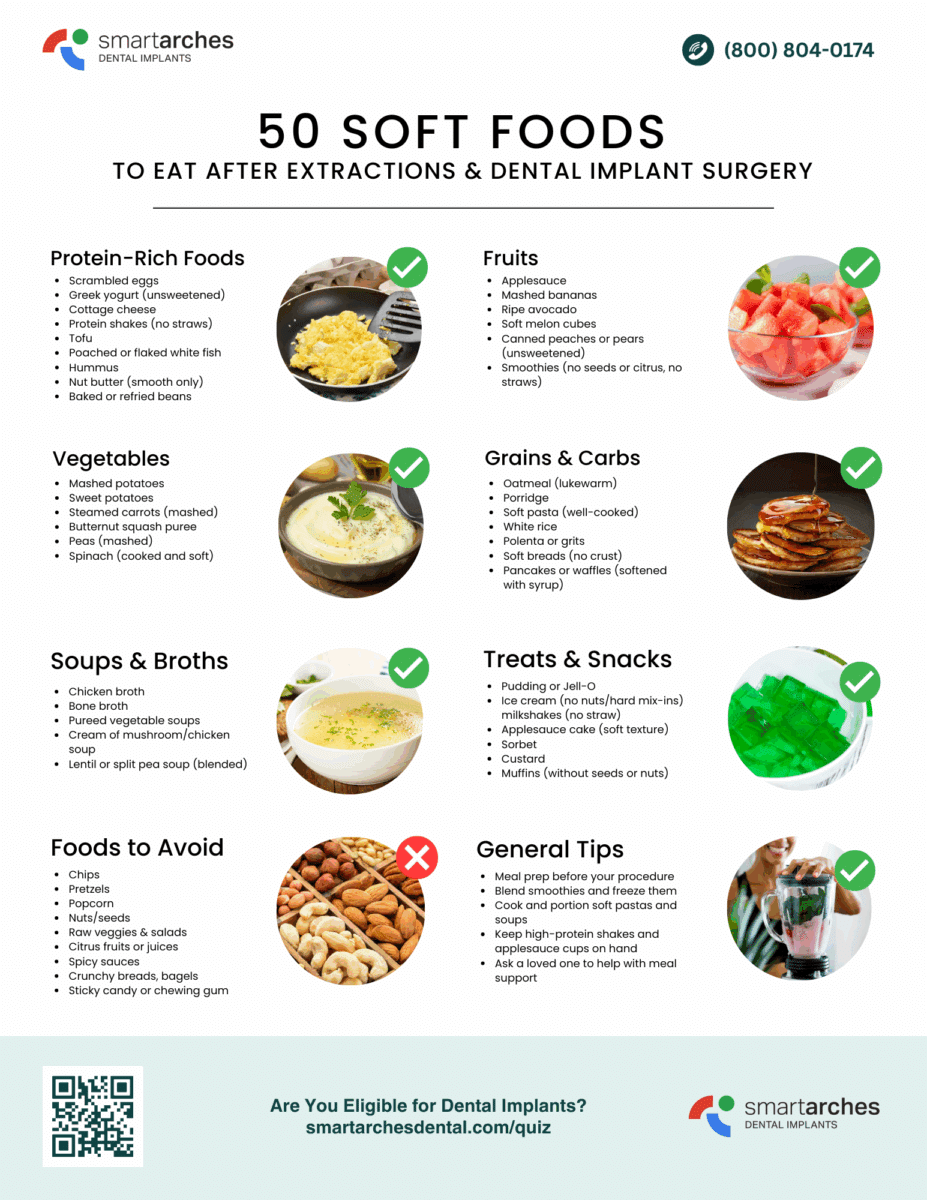
50 Soft Foods to Eat After Tooth Extraction
1. Mashed Potatoes
Creamy, filling, and easy to swallow. Avoid chunks or crispy toppings.
2. Applesauce
Smooth and naturally sweet. Choose unsweetened for less acidity.
3. Yogurt
High in protein and probiotics. Plain or vanilla works best.
4. Greek Yogurt
Thicker and more filling, ideal for added protein during recovery.
5. Scrambled Eggs
Soft, fluffy, and rich in nutrients. Cook gently and avoid browning.
6. Oatmeal
Well-cooked oats are soft and comforting. Let cool slightly before eating.
7. Cream of Wheat
Smooth and easy to eat, especially in the first few days.
8. Smoothies (No Straw)
Blend fruits with yogurt or milk. Avoid seeds and acidic fruits early on.
9. Pudding
Soft, sweet, and soothing. Chocolate and vanilla are good options.
10. Custard
Silky texture makes it easy to swallow without chewing.
11. Cottage Cheese
Soft curds provide protein without requiring much chewing.
12. Ricotta Cheese
Mild, smooth, and versatile. Can be eaten plain or lightly sweetened.
13. Mashed Avocado
Creamy and nutrient-dense. Avoid citrus seasoning initially.
14. Refried Beans
Soft and filling. Choose smooth versions without whole beans.
15. Lentil Soup (Blended)
Provides protein and fiber when pureed thoroughly.
16. Chicken Broth
Warm (not hot), soothing, and hydrating.
17. Bone Broth
Rich in nutrients and gentle on the mouth.
18. Tomato Soup (Creamy)
Opt for low-acid versions and let cool slightly.
19. Cream of Chicken Soup
Soft proteins blended into a smooth base.
20. Cream of Mushroom Soup
Blended for smoothness and easy swallowing.
21. Mashed Sweet Potatoes
Naturally soft and full of vitamins. Avoid skins.
22. Polenta
Smooth cornmeal porridge with a soft texture.
23. Grits
Easy to eat and customizable with butter or cheese.
24. Soft Tofu
Silken tofu is ideal for early recovery stages.
25. Hummus
Smooth hummus without chunky add-ins works well.
26. Mac and Cheese (Overcooked)
Extra-soft pasta with creamy sauce is acceptable after a few days.
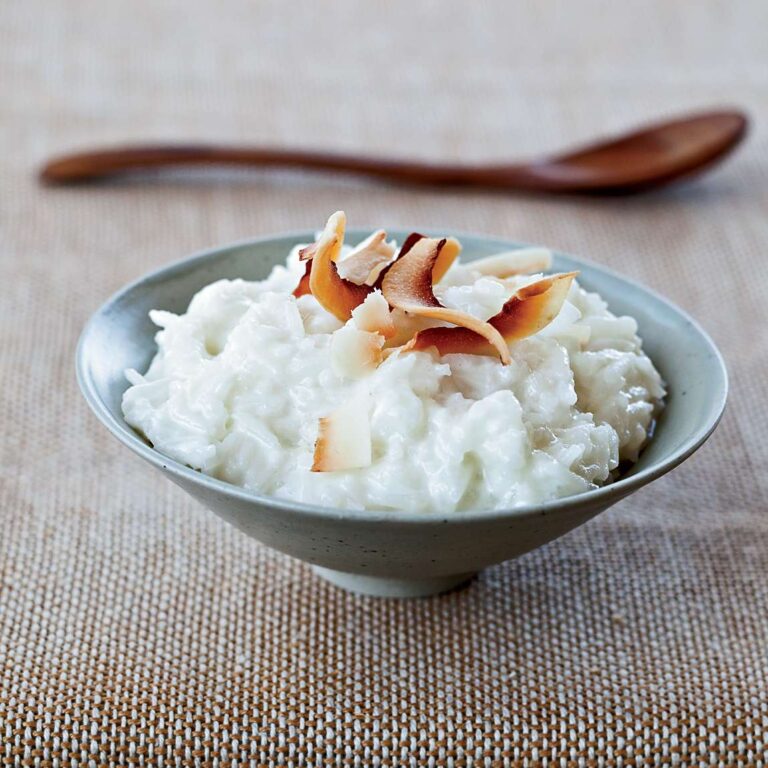
27. Risotto
Creamy rice dish that requires minimal chewing.
28. Soft Rice
Well-cooked white rice can work if chewed carefully.
29. Quinoa (Well-Cooked)
Softened thoroughly, though best introduced later.
30. Steamed Fish (Flaked)
Very soft when cooked properly and flaked finely.
31. Ground Chicken (Very Soft)
Cooked until tender and moist, then finely chopped.
32. Ground Turkey
Soft texture when cooked gently with broth.
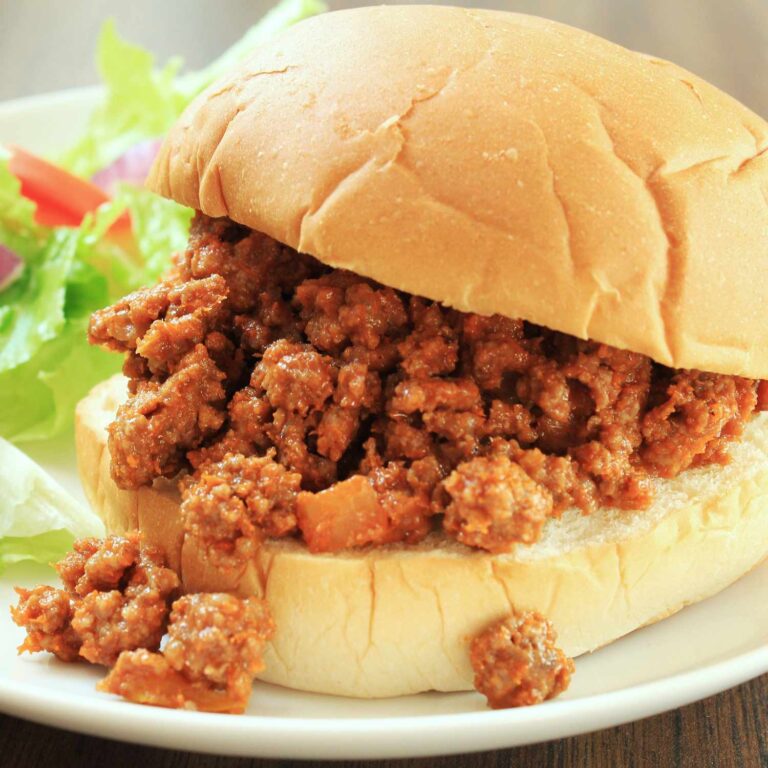
33. Soft Meatloaf
Moist and finely textured, without crispy edges.
34. Baked Salmon
Soft, flaky fish that breaks apart easily.
35. Mashed Bananas
Smooth and soothing. Avoid underripe bananas.
36. Peaches (Mashed or Pureed)
Soft canned peaches work well.
37. Pears (Cooked)
Stewed or canned pears are easy to eat.
38. Pumpkin Puree
Smooth and nutrient-rich, either savory or lightly sweetened.
39. Butternut Squash Puree
Soft texture and comforting flavor.
40. Mashed Carrots
Cooked until very tender and blended.
41. Ice Cream (No Chunks)
Cold can reduce swelling. Avoid nuts or hard mix-ins.
42. Gelato
Smooth and soothing when eaten slowly.
43. Sorbet
Non-dairy option; avoid citrus flavors early.
44. Milkshakes (No Straw)
Use a spoon to avoid suction.
45. Soft Pancakes
Soaked slightly with syrup or butter to soften.
46. French Toast (Very Soft)
Cook gently and avoid crisp edges.
47. Soft Muffins (No Nuts)
Moistened and crumb-free versions only.
48. Mashed Beans
Black beans or pinto beans blended smooth.
49. Baby Food (Purees)
Surprisingly useful during early recovery.
50. Protein Shakes
Helps meet nutritional needs when chewing is difficult.
Foods to Avoid After Tooth Extraction
Even while eating soft foods, avoid:
- Chips and crackers
- Nuts and seeds
- Popcorn
- Sticky candy
- Spicy foods
- Acidic foods
- Alcohol
These can irritate the extraction site or disrupt healing.
How Long Should You Eat Soft Foods?
Most people should stick to soft foods for:
- 24–48 hours after simple extraction
- 3–7 days after wisdom tooth removal
Gradually reintroduce firmer foods as pain and swelling decrease.
Tips for Faster Healing Through Diet
- Eat protein-rich soft foods
- Stay hydrated
- Avoid extreme temperatures
- Chew slowly and carefully
- Rinse gently as instructed
Nutrition plays a big role in tissue repair.
Frequently Asked Questions
Can I eat eggs after tooth extraction?
Yes, scrambled eggs are excellent soft food options.
Is rice safe after tooth extraction?
Only if very soft and chewed carefully.
Can I eat ice cream after tooth extraction?
Yes, as long as it contains no hard pieces.
When can I return to normal food?
Usually after one week, depending on healing.
Final Thoughts
Choosing the right soft foods to eat after tooth extraction can make recovery more comfortable, faster, and safer. With these 50 options, you can maintain proper nutrition while protecting your healing gums.
Planning ahead with soft, soothing foods ensures you can focus on recovery—not discomfort. Always follow your dentist’s guidance, listen to your body, and ease back into normal eating at your own pace.